
Community Engagement
Safelight’s Community Engagement program helps to link community referrals to our services particularly with law enforcement, DSS and our court system.
Department of Social Services (DSS)
Safelight staff are on-site at Henderson County DSS 8 hours per week linking clients to our services.
Domestic Violence Intervention Program (DVIP) and Partner Intervention Program (PIP)
Domestic Violence Intervention Program (DVIP) for men and Partners Intervention Program (PIP) for women
Since 1985, Safelight has provided the only accredited program in Henderson County for domestic violence for offenders sentenced by the courts or DSS for violence. DVIP is a 26-week curriculum for behavior modification. As of 2024, there are 33 DVIP and PIP programs operating in 59 NC counties.
We know that offender services are a crucial part of domestic violence prevention. When individuals lack coping skills to deal with stressors, it results in an increased use of power, control and other abusive tactics – leading to a higher risk to partners and children. To decrease the number of domestic violence incidents, services must be aimed at those who are committing the abuse. Offender services are a vital way of preventing new victims while holding those who have caused harm accountable for their actions.
Our trauma informed DVIP provides evidenced based counseling sessions to men and women who have committed abuse. We serve residents in Henderson County and are the only program in the state certified to provide this program in Henderson County.
There is a saying that “hurt people hurt people”. Children exposed to violence and trauma are at an increased risk of using violence as adults or becoming victims of it. Participants in SPARCs domestic violence program report a higher level of childhood trauma than the general population. Most often, these past traumas are not addressed and are further compounded by poverty, community violence, and personal losses. Without intervention and healing, it is a cycle that often continues.
SPARC is helping to break this cycle by addressing the traumas of the participants in our Domestic Violence Intervention Program. Through the testimony and experiences of the over 400 participants we have served, SPARC has identified both unemployment and trauma as two of the complex factors that influence domestic violence. We address employment through providing case management and by linking participants to Inclusive Hiring Partners, a resource for county residents with employment barriers. SPARC has tracked great client success with our holistic approach, which addresses a broad spectrum of factors associated with domestic violence and not just the incident that led to referral into the program.
Trauma remains a core issue for offenders and survivors. We focus training for our staff on trauma and incorporate trauma-informed policies and practices into our individual and group work with participants. We work to increase the safety of spouses, partners and families in our community. That often begins with identifying who may be at risk or already experiencing domestic violence –
Does the person you love or live with:
- Make you feel uncomfortable or afraid?
- Often put you down, humiliate you, or make you feel worthless?
- Constantly check up on what you are doing or where you are going?
- Try to stop you from seeing your own friends or family?
- Make you feel afraid to disagree or say ‘no’ to them?
- Constantly accuse you of flirting with others when this isn’t true?
- Tell you how the household finances should be spent, or prevent you from having your own money?
- Stop you from having medical assistance?
- Scare or hurt you by being violent (i.e. Hitting, choking, smashing things, locking you in, driving dangerously to frighten you)?
- Pressure or force you to do sexual things that you don’t want to do?
- Threaten to hurt you, or to kill themselves if you say you want to end the relationship?
- Interfere with your online access or access to the phone?
- Hurt you children, or performed violent actions in front of your children?
For more information contact info@safelightfamily.org
While recognizing the importance of supporting survivor services, we need to treat the problem as well and help cut the cycle of violence as well as get survivors to safety. Prevention and stopping violence are also as essential as ensuring safety. Addressing community wide issues needs community wide solutions, we can’t only focus on the symptoms, we need to treat the problem. Offender-based programs also need to be funded to address violence on a bigger picture focus.
–Lauren Wilkie, Safelight CEO
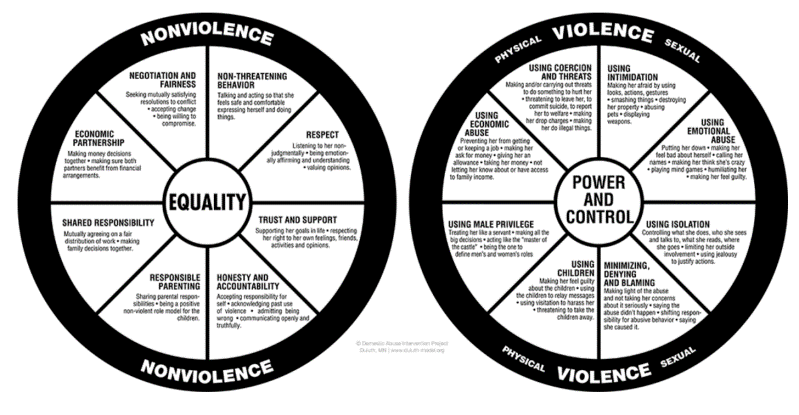
For information on DVIP programs for other counties visit:
Thank you to our annual sponsors:

Contact Us: 828-693-3840
-
Address
317 N Washington Street, Hendersonville NC 28739
-
Email
Info@safelightfamily.org
-
Phone Numbers:
Response Line: 828-693-3840